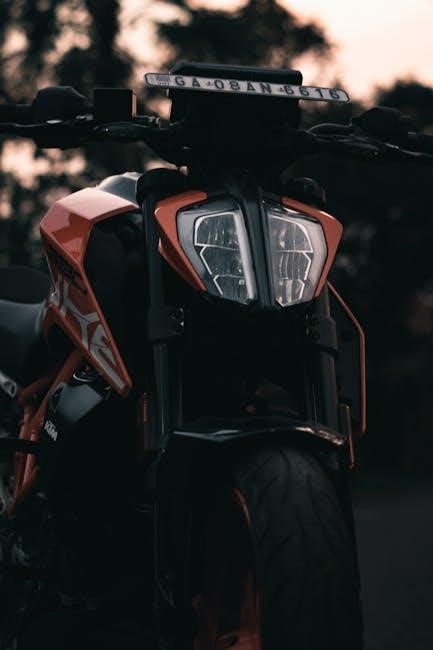
KTM owners manuals are vital resources, offering detailed guidance for operation, maintenance, and repair of your motorcycle․
Now, readily available in both printed and digital (PDF) formats, these manuals unlock your KTM’s full potential, ensuring a seamless experience․
What is a KTM Owners Manual?
A KTM Owners Manual is a comprehensive guide specifically created by the manufacturer for each KTM motorcycle model․ It details everything from initial setup and safe operation to routine maintenance procedures and troubleshooting common issues․
These manuals, now accessible as both traditional printed books and convenient digital PDF downloads via platforms like KTM’s official print portal, are designed to empower owners․ They provide high-resolution images and searchable content, facilitating easy understanding and unlocking the full potential of your KTM․
Essentially, it’s your key to maximizing your riding experience and ensuring the longevity of your machine․
Why You Need to Read Your KTM Manual
Reading your KTM Owners Manual is crucial for safe and enjoyable riding․ It familiarizes you with your motorcycle’s specific controls, features, and maintenance requirements, preventing potential damage or accidents․
Understanding the manual allows you to perform routine tasks like oil changes and air filter maintenance correctly, extending your bike’s lifespan․ Accessing digital versions, like PDFs from Kristofsx․com, offers searchable diagrams and unlocked printing for convenience․
Ignoring the manual risks voiding your warranty and missing vital safety information․

Understanding Your KTM Model
Identifying your KTM requires knowing its specific model and decoding the VIN number for accurate parts and service information․
Identifying Your Specific KTM Model
Accurately pinpointing your KTM model is the crucial first step for accessing the correct information within your owner’s manual and when sourcing parts․ KTM offers a diverse range of motorcycles, encompassing Adventure, Enduro, Motocross, and Supermoto categories, each with numerous sub-models and variations․
Refer to the model designation plate typically located on the steering head or frame․ This plate displays the model name, year of manufacture, and often other identifying codes․
Cross-referencing this information with your KTM owner’s manual or the official KTM website will confirm your specific model․
Decoding the VIN Number
Your KTM’s Vehicle Identification Number (VIN) is a unique 17-character code that holds vital information about your motorcycle’s history and specifications․ Located on the steering head, the VIN provides details about the manufacturer (KTM), year of production, model, and assembly plant․
Decoding the VIN allows you to verify the authenticity of your motorcycle, track its service history, and ensure you’re using the correct parts and maintenance procedures․
Online VIN decoders specifically designed for KTM motorcycles can assist in interpreting this code․
Key Features Specific to Your Model
KTM owners manuals highlight features unique to each model, going beyond general operating instructions․ These details cover specialized systems like advanced suspension setups, ride-by-wire throttle controls, or specific electronic rider aids․
Understanding these model-specific features is crucial for maximizing performance and safety․
Your manual will detail how to properly utilize these systems, including customization options and troubleshooting tips․ Familiarize yourself with these features to fully enjoy your KTM’s capabilities․

Safety First: Important Warnings & Precautions
KTM owners manuals prioritize rider safety, detailing crucial warnings and precautions․ Always heed these guidelines for responsible operation and minimizing risk while riding․
General Safety Guidelines
KTM owners manuals emphasize that operating a motorcycle demands significant skill and awareness․ Riders must consistently practice safe riding techniques, adhering to all local traffic laws and regulations․
Before each ride, thoroughly inspect your KTM, ensuring all components are functioning correctly․ Never operate the motorcycle under the influence of alcohol or drugs․
Always wear appropriate protective gear, including a helmet, jacket, gloves, pants, and boots․ Be mindful of road conditions and potential hazards, adjusting your speed and riding style accordingly․ Prioritize defensive riding strategies, anticipating the actions of other motorists․
Riding Gear Recommendations
KTM owners manuals strongly advocate for comprehensive protective gear․ A DOT-approved full-face helmet is paramount, safeguarding against head injuries․
A motorcycle-specific jacket and pants, constructed from abrasion-resistant materials like leather or reinforced textiles, offer crucial protection․ Robust gloves enhance grip and shield hands in a fall․
Over-the-ankle motorcycle boots provide ankle support and foot protection․ Consider eye protection, such as goggles or a visor, to shield against debris․ Brightly colored or reflective gear increases visibility to other drivers, enhancing safety․
Pre-Ride Inspection Checklist
KTM owners manuals emphasize a thorough pre-ride inspection for safety․ Begin with tire pressure and tread depth, ensuring proper inflation and wear․
Check fluid levels – oil, coolant, brake fluid, and clutch fluid – topping off as needed․ Inspect brake lever and pedal functionality, verifying firm engagement․
Examine lights (headlight, taillight, turn signals) for proper operation․ Confirm throttle movement is smooth and returns freely․ Inspect the chain (if applicable) for proper tension and lubrication; Finally, verify all controls are secure and functioning correctly before each ride․

Controls and Instruments
KTM owners manuals detail handlebar controls, dashboard indicators, and the fuel system․ Understanding these elements is crucial for safe and effective operation․
Handlebar Controls Explained
KTM owners manuals provide a comprehensive breakdown of all handlebar-mounted controls․ This includes the throttle, front brake lever, clutch lever, and the various switchgear assemblies․
Detailed diagrams illustrate the function of each button and switch, explaining their impact on features like lighting, turn signals, horn, and engine modes․
The manual emphasizes familiarizing yourself with control placement before riding, ensuring quick and intuitive operation while maximizing rider safety and enjoyment on your KTM motorcycle․
Dashboard Indicators and Warnings
KTM owners manuals dedicate significant attention to interpreting the dashboard’s indicators and warning lights․ These crucial signals communicate the motorcycle’s operational status and potential issues․
The manual details each symbol, explaining its meaning – from basic speed and RPM to more complex alerts like low fuel, engine temperature, or system malfunctions․
Understanding these warnings is paramount for preventative maintenance and avoiding potential damage, ensuring a safe and reliable riding experience with your KTM․
Understanding the Fuel System
KTM owners manuals provide a comprehensive overview of the fuel system, detailing components like the fuel tank, fuel pump, fuel filter, and fuel injectors․
The manual explains how the system operates, including fuel delivery, air-fuel mixture control, and emission standards compliance․
It also covers essential maintenance procedures, such as fuel filter replacement and injector cleaning, ensuring optimal engine performance and longevity․ Proper understanding prevents fuel-related issues․
Maintenance Schedules & Procedures
KTM owners manuals detail routine tasks – oil changes, filter checks, chain adjustments – vital for peak performance and longevity․
Routine Maintenance Tasks
KTM owners manuals emphasize consistent routine maintenance for optimal performance and reliability․ These tasks, detailed within your specific model’s manual, include regular checks of fluid levels – oil, coolant, brake fluid – and visual inspections for wear and tear on critical components․
Furthermore, the manual outlines scheduled lubrication of cables and pivot points, ensuring smooth operation․ Tire pressure monitoring, air filter cleaning, and chain adjustments are also crucial, extending component life and maintaining safe riding conditions․ Following these procedures diligently, as outlined in your KTM manual, prevents costly repairs;
Oil Change Procedures
KTM owners manuals provide step-by-step instructions for oil changes, a critical maintenance task․ The manual specifies the correct oil type and quantity for your model, alongside the recommended change intervals․
Procedures typically involve warming the engine, locating the oil drain plug, and safely draining the old oil․ Replacing the oil filter with a new one is essential, followed by tightening the drain plug to the specified torque․ Finally, the manual details how to check the oil level after refilling, ensuring proper lubrication and engine health․
Air Filter Maintenance
KTM owners manuals detail crucial air filter maintenance procedures to ensure optimal engine performance․ Regular cleaning or replacement prevents dirt and debris from entering the engine, safeguarding against wear and tear․
The manual guides you through removing the air filter, inspecting its condition, and choosing the appropriate cleaning method – often involving specialized air filter cleaning products․ It also specifies replacement intervals based on riding conditions․ Proper re-oiling (if applicable) and secure reinstallation are vital steps outlined within the manual․
Chain/Sprocket Maintenance
KTM owners manuals emphasize the importance of consistent chain and sprocket maintenance for safe and efficient riding․ The manual details how to properly clean, lubricate, and adjust the chain tension, extending its lifespan and preventing premature wear․
Regular inspection for kinks, rust, or damaged links is crucial․ The manual also provides guidance on assessing sprocket wear – looking for hooked or damaged teeth․ Timely replacement of both chain and sprockets as a set is recommended to maintain optimal drivetrain performance and prevent further damage․
Brake System Maintenance
KTM owners manuals dedicate significant attention to brake system upkeep, stressing its critical role in rider safety․ The manual outlines procedures for inspecting brake pad thickness, rotor condition, and brake fluid levels․ It details how to properly bleed the brake lines to remove air bubbles, ensuring firm and responsive braking performance․
Regularly flushing and replacing brake fluid is also recommended, as it absorbs moisture over time, reducing braking efficiency․ The manual provides specific torque specifications for brake caliper bolts and other components, vital for safe and reliable operation․
Troubleshooting Common Issues
KTM owners manuals provide diagnostic guidance for issues like starting problems, electrical faults, and cooling system concerns, aiding quick resolutions․
Engine Starting Problems
KTM owners manuals dedicate sections to diagnosing engine starting difficulties, a common concern for riders․ These guides detail checks for fuel supply, including a functioning fuel pump and clean fuel lines․
They also cover ignition system troubleshooting, examining the spark plug condition, ignition coil functionality, and potential issues with the CDI unit․
Furthermore, the manual instructs on verifying the battery’s charge and starter motor operation, offering step-by-step procedures for resolving these issues and getting you back on the trail swiftly․
Electrical System Issues
KTM owners manuals provide comprehensive guidance for addressing electrical system problems, crucial for modern motorcycle functionality․ They detail how to inspect fuses, relays, and wiring harnesses for damage or corrosion․
Troubleshooting steps include using a multimeter to test voltage and continuity, pinpointing shorts or open circuits․
The manual also covers diagnosing issues with the charging system, including the stator and regulator/rectifier, ensuring consistent power delivery and preventing battery drain during operation․
Cooling System Problems
KTM owners manuals offer detailed procedures for diagnosing and resolving cooling system issues, vital for preventing engine overheating and damage․ They explain how to inspect coolant levels, radiator hoses, and the water pump for leaks or blockages․
Troubleshooting guides cover identifying a faulty thermostat or radiator cap, and flushing the cooling system to remove debris․
The manual also details proper coolant mixture ratios and bleeding procedures, ensuring optimal engine temperature regulation and long-term reliability․

Repair Manuals & Resources
KTM owners manuals, both official printed versions and digital PDFs, are now accessible․ Explore resources like Kristofsx․com and KTM’s print portal!
Official KTM Printed Manuals
KTM now offers official workshop manuals in printed format, a significant development for owners preferring a physical resource․ These manuals, accessible through the KTM print portal (https://print․ktm․com/), provide comprehensive repair and maintenance information․
They are a valuable asset for those undertaking detailed work on their machines, offering a tangible reference alongside digital options․ The availability of printed manuals caters to a diverse range of preferences among KTM enthusiasts, ensuring accessibility for all skill levels․
Digital KTM Repair Manuals (PDF)
KTM repair manuals are widely available in digital PDF format, offering convenient access to detailed service information․ Websites like Kristofsx․com (https://kristofsx․com/ktm-repair-manuals/) specialize in providing these manuals, featuring high-resolution images and diagrams․
These PDFs are searchable and unlocked for printing, making them incredibly user-friendly for both professional mechanics and DIY enthusiasts․ Digital formats provide portability and easy storage, ensuring information is always at your fingertips․
Third-Party Repair Manual Providers
Beyond official KTM resources, several third-party providers offer repair manuals for KTM motorcycles․ Kristofsx․com (https://kristofsx․com/ktm-repair-manuals/) is a notable example, specializing in service and repair manuals for KTM, Husqvarna, and Gas Gas models․
These providers often offer comprehensive PDFs with high-resolution images, searchable text, and unlocked printing capabilities, providing valuable alternatives to official documentation for maintenance and repair tasks․
Warranty Information
Understanding your KTM warranty is crucial; familiarize yourself with coverage details and claim procedures to ensure protection against potential defects or issues․
Understanding Your KTM Warranty
Your KTM warranty provides coverage against defects in materials and workmanship, offering peace of mind during ownership․ It’s essential to carefully review the warranty document to understand the specific terms, conditions, duration, and any exclusions that may apply to your model․
Coverage typically begins on the date of the original purchase and extends for a defined period or mileage․ Keep accurate records of all maintenance performed, as adherence to the recommended service schedule is often a requirement for valid warranty claims․
Understanding what is not covered is equally important, including damage from improper use, accidents, or modifications․
Warranty Claim Procedures
To initiate a warranty claim, first contact your authorized KTM dealership․ They will assess the issue and determine if it falls under warranty coverage․ Be prepared to provide proof of purchase, maintenance records, and a detailed description of the problem․
The dealership will then submit the claim to KTM for approval․
Approved claims typically cover the cost of parts and labor necessary to repair the defect․
Remember, modifications or improper maintenance can void your warranty, so always follow the guidelines outlined in your KTM owners manual․
KTM Support & Community
Connect with fellow riders through online forums and locate authorized dealerships for service and support, enhancing your KTM ownership experience․
KTM Dealership Locator
Finding a qualified KTM dealership is crucial for professional service, genuine parts, and expert advice regarding your motorcycle and its manual․
KTM’s official website provides a comprehensive dealership locator tool, allowing you to search by location, zip code, or city to pinpoint the nearest authorized service center․
These dealerships offer skilled technicians familiar with all KTM models, ensuring accurate diagnostics, repairs, and adherence to factory specifications outlined in your owner’s manual․
Regular servicing at an authorized dealership maintains your warranty validity and optimizes your bike’s performance, safety, and longevity․
Online KTM Forums & Communities
Engaging with online KTM forums and communities provides a valuable platform for owners to share experiences, troubleshoot issues, and gain insights related to their manuals․
These digital spaces foster a collaborative environment where riders can ask questions, exchange maintenance tips, and discuss modifications specific to their KTM models․
Accessing collective knowledge from experienced owners can supplement the information in your owner’s manual, offering practical solutions and real-world advice․
Many forums also feature dedicated sections for specific models, enhancing the relevance of discussions and support․
Technical Specifications
Your KTM manual details crucial specifications – engine, chassis, suspension, dimensions, and weights – essential for understanding and maintaining your motorcycle effectively․
Engine Specifications
The KTM owners manual meticulously outlines your engine’s technical details․ This includes displacement (measured in cc), bore and stroke dimensions, compression ratio, and the type of fuel system utilized – often fuel injection․
Furthermore, it specifies the maximum power output (in horsepower and kilowatts) and peak torque (in Nm or lb-ft)․
Cooling system details (liquid or air-cooled) and lubrication system specifics are also provided, alongside information about the ignition system and valve configuration․
Understanding these specifications is crucial for proper maintenance and potential performance tuning․
Chassis & Suspension Specifications
Your KTM owners manual comprehensively details the chassis and suspension components․ It specifies the frame type – typically steel trellis or aluminum – and provides dimensions like wheelbase and ground clearance․
Suspension details are crucial, outlining the front fork type (inverted or conventional) and travel, alongside rear shock specifications and travel․
Brake system details, including disc sizes and caliper types, are also included․
The manual will also list wheel sizes and tire specifications, vital for replacements and optimal performance․
Dimensions & Weights
The KTM owners manual provides precise dimensional data for your motorcycle, including overall length, width, and height․ These measurements are essential for storage and transport considerations․
Seat height is a critical specification, impacting rider comfort and control, and is clearly stated․
Weight figures are equally important, detailing both the dry weight (without fluids) and the wet weight (with fluids)․
Understanding these weights impacts handling and performance expectations, offering valuable insight․

Accessories & Upgrades
Your KTM owners manual details recommended accessories, enhancing functionality and style․ Explore aftermarket options for performance upgrades and personalization․
Recommended KTM Accessories
Your KTM owners manual often highlights factory-approved accessories designed specifically for your model, ensuring optimal fit and performance․ These include protective elements like handguards and skid plates, enhancing durability during off-road adventures․
Comfort upgrades, such as heated grips and taller windscreens, improve the riding experience․ Performance-focused accessories, like exhaust systems and upgraded suspension components, are also frequently mentioned․ Refer to your manual for part numbers and installation guidance, maximizing your KTM’s capabilities and safeguarding your investment․
Aftermarket Upgrade Options
While your KTM owners manual focuses on factory parts, numerous aftermarket upgrades can further personalize and enhance your motorcycle․ Explore options like performance air filters, aftermarket exhausts for increased power, and upgraded brake lines for improved stopping ability․
Suspension modifications, including fork cartridges and rear shocks, dramatically improve handling․ Remember to research compatibility and potential warranty implications before installing aftermarket parts․ Online forums and communities offer valuable insights and reviews to guide your upgrade choices․

Disposal and Recycling
Responsible disposal of used fluids (oil, coolant) and recycling KTM parts are crucial for environmental protection; follow local regulations carefully․
Proper Disposal of Fluids
Used engine oil, coolant, brake fluid, and other vehicle fluids pose significant environmental hazards if improperly discarded․ Never pour these substances down drains, onto the ground, or into waterways․
Instead, carefully collect used fluids in sealed, leak-proof containers․ Locate designated collection centers – often found at auto parts stores, recycling facilities, or local waste management authorities – that accept these materials for responsible recycling or disposal․
Adhering to these practices protects our ecosystems and ensures compliance with environmental regulations, contributing to a sustainable riding experience․
Recycling KTM Parts
Responsible end-of-life management of KTM motorcycle parts is crucial for minimizing environmental impact․ Many components, including metal frames, wheels, and engine parts, are highly recyclable․
Contact local motorcycle salvage yards or recycling facilities to inquire about accepting used KTM parts․ Some facilities specialize in motorcycle recycling, ensuring proper dismantling and material recovery․
Consider donating usable parts to motorcycle clubs or online marketplaces, extending their lifespan․ Prioritize environmentally conscious disposal methods to support sustainability․