
Civil War Questions and Answers: A Comprehensive Guide
Delve into the complexities of the 1861-1865 American Civil War, a pivotal conflict primarily centered around slavery and westward expansion issues․
What Were the Primary Causes of the Civil War?
The American Civil War, erupting from 1861 to 1865, wasn’t sparked by a single event, but a culmination of deeply rooted, long-standing tensions․ At the heart of these issues lay the institution of slavery and its expansion into newly acquired western territories․ The economic disparities between the industrial North and the agrarian South, heavily reliant on enslaved labor, fueled sectionalism․
Political disagreements over states’ rights versus federal authority further exacerbated the divide․ Southern states fiercely defended their perceived right to self-governance, particularly concerning the legality of slavery․ Abolitionist movements in the North gained momentum, intensifying moral opposition to slavery and advocating for its complete eradication․
Failed compromises, like the Kansas-Nebraska Act, ignited violence and deepened the chasm between the regions․ Ultimately, the election of Abraham Lincoln, who opposed the expansion of slavery, proved to be the catalyst for secession, initiating the devastating conflict that reshaped the nation․
The Role of Slavery in the Secession Crisis
Slavery was undeniably the central and most explosive issue driving the secession crisis of 1860-1861․ While states’ rights were often cited, these arguments were inextricably linked to the preservation of the institution of slavery․ Southern states feared that the federal government, particularly under an anti-slavery president like Abraham Lincoln, would ultimately abolish slavery, destroying their economic and social structure․
The election of Lincoln, despite not being on the ballot in many Southern states, was perceived as an existential threat․ Southern leaders believed his administration would actively work to restrict and eventually eliminate slavery․ This fear prompted South Carolina to secede in December 1860, followed by other states in the Deep South․
These seceding states formed the Confederate States of America, explicitly protecting and perpetuating the institution of slavery․ The issue wasn’t simply about economic interests; it was about a way of life, social hierarchy, and deeply ingrained racial beliefs that underpinned the Southern identity․
States’ Rights vs․ Federal Authority: A Key Conflict
The debate over states’ rights versus federal authority was a long-standing tension that escalated dramatically leading up to the Civil War․ Southern states argued they had the sovereign right to determine their own laws and policies, including the right to permit or prohibit slavery, free from federal interference․ They believed the federal government was created by the states and therefore subordinate to them․
This doctrine of states’ rights was used to justify secession, claiming the federal government had overstepped its constitutional bounds․ However, the North countered that the Union was perpetual and that no state had the right to unilaterally leave․ They asserted the supremacy of federal law and the necessity of a strong central government to maintain national unity․
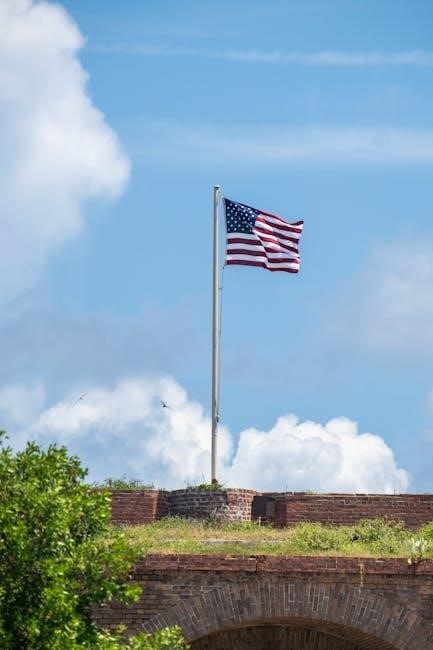
While seemingly a constitutional debate, the issue was fundamentally tied to slavery․ Southern states invoked states’ rights to protect slavery, while the North increasingly viewed federal authority as a means to limit its expansion and potentially abolish it․
The Kansas-Nebraska Act and “Bleeding Kansas”
The Kansas-Nebraska Act of 1854 dramatically intensified sectional tensions, directly contributing to the outbreak of the Civil War․ This act repealed the Missouri Compromise, which had previously prohibited slavery in certain territories․ It introduced the principle of “popular sovereignty,” allowing residents of Kansas and Nebraska to decide for themselves whether to permit slavery․
This seemingly democratic approach backfired spectacularly, leading to a rush of pro-slavery and anti-slavery settlers into Kansas, each hoping to influence the vote․ Violence erupted between these groups, giving rise to the term “Bleeding Kansas․” Fraudulent elections and armed conflict became commonplace, as both sides engaged in intimidation and sabotage․
The events in Kansas exposed the deep divisions within the nation and demonstrated the failure of popular sovereignty as a solution to the slavery question․ It further radicalized public opinion and fueled the growing sense of inevitability regarding a national crisis․
Key Figures of the Civil War: Union
The Union effort benefited from a cadre of exceptional leaders, both military and political, who guided the North to victory․ These individuals possessed diverse skills and backgrounds, yet shared a commitment to preserving the nation․ Their combined efforts were crucial in overcoming the Confederacy’s initial advantages․
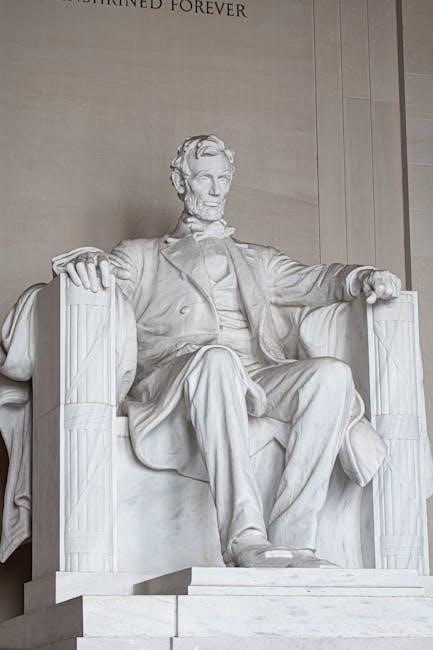
Abraham Lincoln, as President, provided unwavering moral and political leadership, skillfully navigating a deeply divided nation․ Ulysses S․ Grant emerged as the Union’s most successful general, employing a strategy of relentless pressure and attrition․ William Tecumseh Sherman’s innovative “total war” tactics significantly weakened the Confederate war effort․

Beyond these prominent figures, numerous other Union officers and politicians played vital roles․ Their dedication, strategic thinking, and resilience ultimately proved decisive in securing the Union’s triumph and reshaping the course of American history․
Abraham Lincoln: Leadership During Wartime
Abraham Lincoln’s presidency during the Civil War was a masterclass in crisis management and moral fortitude․ He faced unprecedented challenges, including preserving the Union amidst widespread secession and navigating the complex issue of slavery․ His leadership was characterized by a remarkable blend of political pragmatism and unwavering principle․
Lincoln skillfully utilized his executive powers, issuing the Emancipation Proclamation which fundamentally altered the war’s purpose and galvanized abolitionist sentiment․ He also demonstrated a keen understanding of public opinion, employing powerful rhetoric to rally support for the Union cause․
Despite facing intense criticism and political opposition, Lincoln remained steadfast in his commitment to restoring the nation․ His Gettysburg Address remains a timeless testament to the ideals of equality and national unity, solidifying his legacy as one of America’s greatest leaders․
Ulysses S․ Grant: Military Strategy and Victory
Ulysses S․ Grant emerged as the Union’s most successful general, fundamentally shifting the war’s momentum through a relentless and innovative military strategy․ Unlike his predecessors, Grant embraced a war of attrition, recognizing the Union’s superior resources and manpower․ He relentlessly pursued Confederate armies, accepting higher casualties to maintain constant pressure․

Grant’s strategic brilliance lay in his coordinated offensives, exemplified by campaigns at Vicksburg and in the Overland Campaign․ He understood the importance of controlling key transportation routes, particularly the Mississippi River, effectively splitting the Confederacy․
His willingness to accept losses, while controversial, ultimately wore down Confederate forces․ Grant’s eventual acceptance of Robert E․ Lee’s surrender at Appomattox Courthouse marked a decisive turning point, securing Union victory and solidifying his place in military history as a determined and effective commander․
William Tecumseh Sherman: Total War and its Impact
William Tecumseh Sherman revolutionized Union warfare with his implementation of “total war” principles, aiming to cripple the Confederacy’s ability to wage war by targeting not only its armies but also its infrastructure and civilian resources․ This controversial strategy fundamentally altered the conflict’s nature․
Sherman’s most infamous act, the March to the Sea, saw his army march through Georgia, systematically destroying railroads, factories, and farms․ While criticized for its brutality, Sherman believed this destruction would break the South’s will to fight and shorten the war, ultimately saving lives․

The psychological impact of Sherman’s campaigns was immense, shattering Confederate morale and demonstrating the Union’s unwavering resolve․ His actions, though harsh, contributed significantly to the Union victory, leaving a lasting legacy of debate regarding the ethics of total war and its effectiveness․
Key Figures of the Civil War: Confederacy
The Confederate States of America, though ultimately unsuccessful, boasted a cadre of influential leaders who shaped its war effort․ These figures, driven by states’ rights and the preservation of their way of life, played pivotal roles in the conflict’s unfolding drama․
Jefferson Davis, as President, faced the immense challenge of uniting disparate states and mobilizing resources against a far more powerful Union․ His leadership was often hampered by internal divisions and economic limitations, yet he remained a steadfast symbol of Confederate resistance․
Military commanders like Robert E․ Lee and Stonewall Jackson embodied the Confederacy’s military prowess․ Lee’s tactical brilliance and Jackson’s unwavering courage inspired Confederate troops, achieving notable victories despite facing overwhelming odds․ Their legacies continue to be debated, representing both military skill and the defense of a deeply flawed system․
Jefferson Davis: President of the Confederate States
Jefferson Davis assumed the presidency of the newly formed Confederate States of America in 1861, inheriting a monumental task: establishing a nation founded on the principles of states’ rights and the preservation of slavery․ His pre-war experience as a U․S․ Senator and Secretary of War proved valuable, yet insufficient to overcome the immense challenges ahead․
Throughout the war, Davis struggled with internal political divisions within the Confederacy, balancing the demands of individual states with the need for centralized authority․ He faced criticism for his leadership style, often perceived as rigid and uncompromising․ Economic difficulties, stemming from the Union blockade and limited industrial capacity, further hampered his efforts․
Despite these obstacles, Davis remained a resolute figurehead for the Confederacy, tirelessly advocating for its independence․ His post-war imprisonment and subsequent exile cemented his status as a controversial, yet enduring, symbol of the Lost Cause․
Robert E․ Lee: Military Genius and Confederate Symbol
Robert E․ Lee, a highly respected military officer, reluctantly resigned his commission in the U․S․ Army to lead the Confederate forces in 1861․ His tactical brilliance quickly became apparent, securing a series of victories for the South in the early years of the war, despite being consistently outnumbered and outgunned․
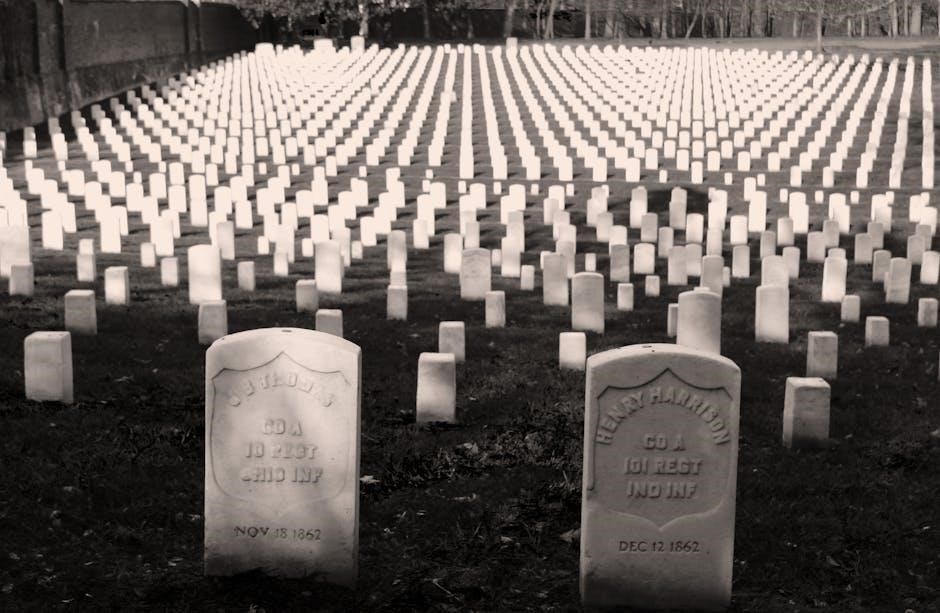
Lee’s strategic decisions, while often lauded for their audacity, also contributed to significant Confederate losses, most notably at Gettysburg․ He possessed an exceptional ability to inspire his troops, fostering a deep sense of loyalty and fighting spirit․ However, his unwavering commitment to the Confederacy, and by extension, the institution of slavery, remains a point of contention․
After the war, Lee became a symbol of Southern pride and resilience, embodying the “Lost Cause” narrative․ His post-war efforts focused on reconciliation and education, yet his legacy remains complex and deeply intertwined with the painful history of the Civil War․

Stonewall Jackson: Tactical Brilliance and Leadership
Thomas Jonathan “Stonewall” Jackson earned his famous nickname at the First Battle of Bull Run, where his steadfast defense inspired Confederate troops․ A devout Presbyterian and a former West Point professor, Jackson combined religious fervor with exceptional military acumen, becoming one of Robert E․ Lee’s most trusted and effective commanders․
Known for his daring and unpredictable tactics, Jackson frequently employed rapid marches and flanking maneuvers to surprise Union forces․ His Valley Campaign in 1862 remains a masterclass in military strategy, demonstrating his ability to outmaneuver and defeat larger armies with limited resources․ He instilled discipline and a relentless fighting spirit in his men․
Tragically, Jackson was mortally wounded at the Battle of Chancellorsville in 1863, a devastating loss for the Confederacy․ His death significantly impacted Confederate morale and ultimately contributed to their defeat in the war․ He remains a celebrated, yet controversial, figure in American history․
Major Battles of the Civil War
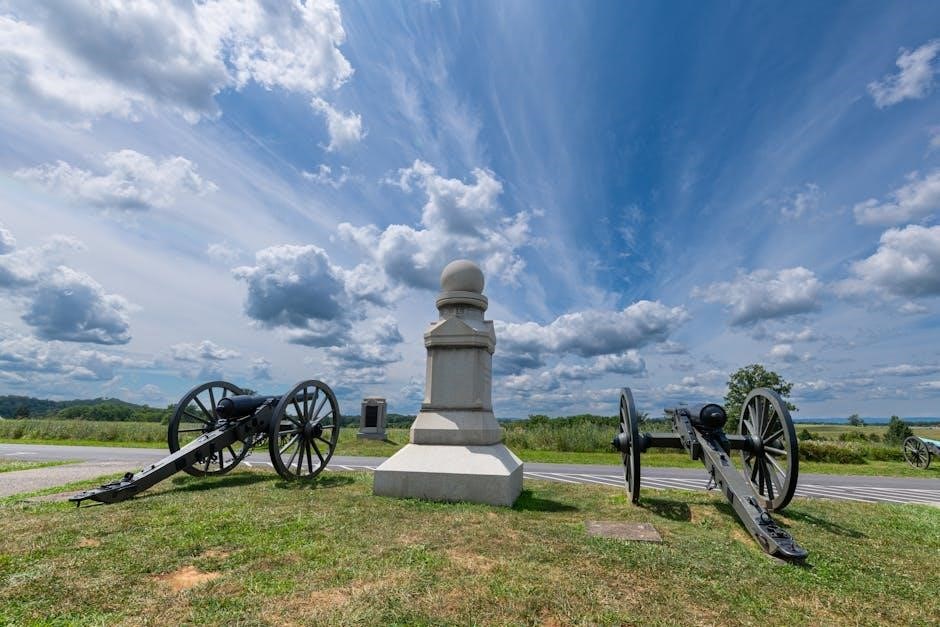
The American Civil War witnessed numerous pivotal battles that shaped its course and outcome․ Fort Sumter (1861) marked the war’s commencement, a Confederate attack igniting the conflict․ First Bull Run (1861) shattered Union hopes for a swift victory, revealing the war’s brutal reality․
The Battle of Antietam (1862), the bloodiest single-day battle in American history, prompted Lincoln to issue the Emancipation Proclamation․ Gettysburg (1863) proved a crucial turning point, halting Lee’s invasion of the North and inflicting heavy Confederate casualties․ Simultaneously, Vicksburg’s fall (1863) granted the Union control of the Mississippi River, splitting the Confederacy․
Sherman’s March to the Sea (1864) exemplified “total war,” devastating Georgia’s infrastructure and economy, undermining Confederate morale․ These engagements, alongside countless others, defined the Civil War’s intensity and ultimately led to the Union’s triumph, reshaping the nation’s destiny․
Fort Sumter: The Spark That Ignited the War
Fort Sumter, located in Charleston, South Carolina, stands as the symbolic beginning of the American Civil War․ Prior to the conflict, following several Southern states’ secession, the fort remained under Union control, representing federal authority within Confederate territory․ Confederate forces, under the command of P․G․T․ Beauregard, initiated hostilities on April 12, 1861, bombarding the fort for 34 hours․
Major Robert Anderson, leading the small Union garrison, returned fire but was ultimately compelled to surrender on April 14th․ This attack, though resulting in no fatalities, galvanized public opinion in the North, prompting Lincoln to call for 75,000 volunteers to suppress the rebellion․
Fort Sumter’s fall effectively ignited the Civil War, transforming a political crisis into armed conflict․ It served as a rallying cry for both sides, solidifying their resolve and setting the stage for four years of devastating warfare, forever altering the course of American history․
Gettysburg: The Turning Point of the Conflict
The Battle of Gettysburg, fought July 1-3, 1863, in Pennsylvania, is widely considered the turning point of the American Civil War․ General Robert E․ Lee’s second invasion of the North aimed to secure a decisive victory that might force the Union to negotiate peace․ However, the Union Army of the Potomac, under General George Meade, successfully defended its position against repeated Confederate assaults․
Pickett’s Charge, a massive infantry assault on the final day, proved disastrous for the Confederacy, resulting in staggering casualties․ Gettysburg marked the high-water mark of the Confederacy, representing their furthest advance into Northern territory․
The Union victory at Gettysburg, coupled with the fall of Vicksburg around the same time, significantly shifted the momentum of the war in favor of the North․ It crippled Lee’s army and dashed Confederate hopes for foreign recognition, ultimately paving the way for eventual Union triumph and the preservation of the nation․
Vicksburg: Union Control of the Mississippi River
The Siege of Vicksburg, lasting from May 18 to July 4, 1863, was a crucial Union victory during the Civil War․ General Ulysses S․ Grant’s forces relentlessly bombarded the city of Vicksburg, Mississippi, a vital Confederate stronghold controlling the Mississippi River․ Confederate Lieutenant General John C․ Pemberton commanded the defending forces, but dwindling supplies and constant artillery fire took a heavy toll․
The capture of Vicksburg granted the Union complete control of the Mississippi River, effectively splitting the Confederacy in two․ This severed vital supply lines and communication routes for the Confederate states west of the river, significantly hindering their war effort․
Combined with the Union victory at Gettysburg occurring nearly simultaneously, Vicksburg’s fall dramatically altered the course of the war, bolstering Northern morale and weakening the Confederacy’s ability to sustain the conflict․ It was a strategic masterpiece for Grant and a devastating blow to the South․
Sherman’s March to the Sea: Devastation and Psychological Warfare
General William Tecumseh Sherman’s “March to the Sea” in late 1864 represented a new, brutal phase of the Civil War․ Beginning in Atlanta, Sherman’s army marched approximately 285 miles to Savannah, Georgia, employing a “scorched earth” policy․ This involved the systematic destruction of infrastructure – railroads, factories, farms, and homes – intended to cripple the Confederacy’s logistical capacity and will to fight․
The campaign wasn’t solely about material destruction; it was a deliberate act of psychological warfare․ Sherman aimed to demonstrate to the Southern population the futility of continued resistance and the overwhelming power of the Union army․ While controversial, the march significantly weakened the Confederacy’s ability to wage war․
Upon reaching Savannah in December 1864, Sherman presented the city as a Christmas gift to President Lincoln, further demoralizing the South and solidifying Union control․ The march remains a debated topic, highlighting the harsh realities and total war tactics employed during the conflict․
The Emancipation Proclamation: Impact and Limitations
Issued by President Abraham Lincoln on January 1, 1863, the Emancipation Proclamation declared slaves free in Confederate-held territory․ This pivotal act fundamentally shifted the war’s focus, transforming it from a struggle to preserve the Union into one also centered on ending slavery․ It allowed for the enlistment of African American soldiers into the Union Army, bolstering its ranks significantly․
However, the Proclamation had crucial limitations․ It did not free slaves in the border states loyal to the Union, nor in areas of the Confederacy already under Union control․ This was a strategic decision, aimed at avoiding further alienating these regions․
Despite these limitations, the Emancipation Proclamation was a monumental moral and political victory․ It irrevocably linked the Union cause to human freedom, preventing European powers from officially recognizing the Confederacy and paving the way for the 13th Amendment, which ultimately abolished slavery nationwide․
Life During the Civil War: Soldiers and Civilians
For soldiers, life was marked by hardship and brutality․ Conditions in camps were often unsanitary, leading to widespread disease like dysentery and typhoid fever․ Combat itself was terrifying, with advancements in weaponry resulting in unprecedented casualties․ Soldiers faced long marches, inadequate supplies, and the constant threat of death or injury, enduring immense physical and psychological strain․
Civilians also experienced profound disruption․ The war brought economic hardship, particularly in the South, where plantations were raided and trade routes disrupted․ Women took on new roles managing farms and businesses while men were at war․ Food shortages were common, and families faced the constant anxiety of losing loved ones․
Both North and South saw increased wartime production, but at a significant social cost․ The war fundamentally altered the fabric of American society, leaving lasting scars on both soldiers and civilians alike, reshaping daily life for years to come․
The Economic Impact of the Civil War on North and South
The Civil War dramatically reshaped the economic landscape of both the North and the South․ The Southern economy, heavily reliant on enslaved labor and agricultural exports like cotton, suffered devastating losses․ Blockades disrupted trade, plantations were destroyed, and the emancipation of enslaved people dismantled the labor system․
The North, with its diversified industrial base, experienced significant economic growth․ Wartime demand fueled industrial production, particularly in manufacturing weapons, uniforms, and supplies․ Railroad construction boomed, and national banking systems were established, laying the foundation for future economic expansion․
However, the war also brought economic challenges to the North, including inflation and increased national debt․ Ultimately, the war widened the economic gap between the industrialized North and the agrarian South, setting the stage for decades of economic disparity and reconstruction efforts․
Reconstruction Era: Challenges and Failures

The Reconstruction era (1865-1877) aimed to rebuild the South and integrate formerly enslaved people into American society, but faced immense challenges and ultimately fell short of its goals․ Political divisions, economic hardship, and deeply ingrained racial prejudice hampered progress․
Radical Republicans advocated for strong federal intervention to protect Black rights, while Southern Democrats resisted these efforts, employing violence and intimidation through groups like the Ku Klux Klan․ Attempts at land redistribution and economic assistance for freedmen were largely unsuccessful․
Despite some initial gains, such as Black representation in government, Reconstruction was undermined by political compromises, economic depression, and waning Northern resolve․ The withdrawal of federal troops in 1877 marked the end of Reconstruction, leaving African Americans vulnerable to systemic discrimination and the rise of Jim Crow laws․
Long-Term Consequences of the Civil War on American Society
The Civil War profoundly reshaped American society, leaving an enduring legacy that continues to influence the nation today․ The abolition of slavery fundamentally altered the social and economic landscape, though its effects were far from immediate or complete․
The war strengthened the power of the federal government, establishing its supremacy over states’ rights – a question at the heart of the conflict․ Industrialization accelerated in the North, while the South faced decades of economic stagnation and a slow transition away from an agrarian economy․
The struggle for racial equality continued long after the war’s end, with African Americans facing systemic discrimination and limited opportunities․ The Civil War’s impact extended to national identity, fostering a stronger sense of unity, albeit one still grappling with deep-seated divisions and the unresolved issues of race and justice․